
Heat Protection Sleeves for Cables: Enhance Durability and Safety
By:Admin
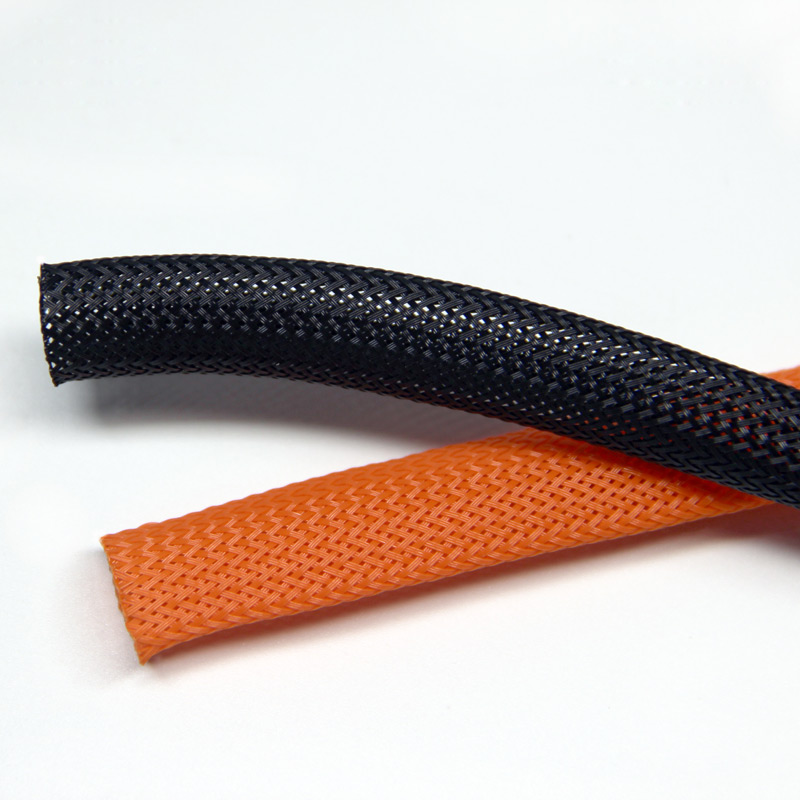
In today’s rapidly advancing industrial landscape, ensuring the safety and longevity of electrical cables has become a paramount concern. Heat protection sleeves for cables are emerging as a vital solution to protect wiring systems from extreme temperatures, mechanical wear, and environmental hazards. These sleeves are designed to offer superior thermal insulation, resistance to flames, and protection against abrasion, helping to prevent cable failures that could result in costly downtime or dangerous accidents.
Electrical cables are often exposed to harsh conditions—whether in manufacturing plants, automotive installments, aerospace applications, or energy infrastructure. High temperatures can degrade the insulation materials of cables, leading to shortened lifespans and increased risk of electrical faults or fires. Heat protection sleeves serve as an additional barrier, allowing cables to operate safely even in severe thermal environments.
**Key Features and Benefits of Heat Protection Sleeves**
The latest heat protection sleeves are manufactured using advanced materials such as fiberglass, silicone-coated fiberglass, aramid fibers, or other high-temperature resistant textiles. These materials provide outstanding heat resistance, often withstanding continuous exposure to temperatures ranging from 200°C to over 600°C depending on the specific product design.
Besides thermal insulation, the sleeves are also flame retardant, which enhances fire safety by preventing the spread of fire along cable routes. Their flexibility ensures easy installation on existing cables without the need for complex modifications. Moreover, these sleeves protect cables from abrasion, chemicals, oils, and other environmental contaminants that could otherwise deteriorate cable integrity.
Many industrial sectors rely heavily on these protective solutions:
- **Manufacturing and heavy machinery:** Where heat from furnaces, engines, or processes can threaten cable functionality.
- **Automotive and aerospace:** In vehicles and aircraft, cables must endure high temperatures near engines or exhaust systems.
- **Energy and utilities:** Power plants and substations face challenging environments with elevated temperatures and potential chemical exposure.
- **Construction and infrastructure:** Protecting electrical wiring in buildings from heat sources such as boilers, heating ducts, or welding operations.
**Company Introduction**
{} has established itself as a leader in providing high-quality heat protection sleeves tailored to meet the demanding needs of various industries. With a commitment to innovation and quality, the company offers a comprehensive portfolio of protective sleeves designed to enhance cable safety and performance. Their products are engineered to the highest standards, ensuring compliance with international safety and quality certifications. By integrating cutting-edge materials and rigorous testing protocols, {} delivers solutions that offer durability, reliability, and ease of installation.
The company’s customer-centric approach includes offering bespoke solutions that match specific environmental challenges and client requirements. Whether the need is for standard heat protection sleeves or specialized sleeves capable of withstanding extreme temperatures and corrosive conditions, {} provides expert guidance and customized products to ensure optimal protection.
**Applications and Industry Impact**
Heat protection sleeves have significantly improved the safety and reliability of electrical systems across multiple sectors. For example, in the automotive industry, cables routed near exhaust manifolds or turbochargers previously faced rapid insulation degradation due to heat. By adopting heat protection sleeves, manufacturers can extend cable life, reduce maintenance frequency, and enhance overall vehicle safety.
In manufacturing plants, cables running adjacent to furnaces, kilns, or hot machinery are shielded from thermal damage, minimizing unplanned downtime due to cable faults. Utilities and power generation facilities also benefit, as the sleeves help maintain operational integrity under fluctuating and often extreme temperature conditions.
Additionally, the use of these sleeves aligns with growing regulatory demands for workplace safety and environmental protection. By preventing electrical fires and failures, heat protection sleeves contribute to safer working environments and reduced environmental risks associated with electrical accidents.
**Looking Forward**
As technology progresses and industries continue to push the limits of performance and safety, the demand for robust heat protection solutions for cables will grow. Future innovations are likely to focus on enhancing material properties, improving ease of installation, and integrating smart monitoring capabilities that can signal when protective sleeves need replacement or maintenance.
{} remains at the forefront of this evolving industry, continually investing in research and development to produce advanced protective sleeves that meet emerging market needs. Their commitment ensures that clients will have access to reliable, efficient, and cost-effective products that safeguard critical electrical infrastructure against the challenges posed by heat and harsh environments.
**Conclusion**
Heat protection sleeves for cables represent a critical advancement in safeguarding electrical systems exposed to high temperatures and tough operating conditions. The combination of superior material technology and expert manufacturing has led to products that enhance electrical safety, extend cable lifespan, and reduce maintenance costs across a broad range of industries.
With trusted providers like {}, businesses can confidently invest in heat protection solutions that improve operational reliability and comply with stringent safety standards. As industries continue to demand higher performance and safety assurances, heat protection sleeves will remain an essential component of modern electrical system design and maintenance.
---
If you would like me to include specific details about the company’s history, product lines, or customer testimonials in the article, please provide the relevant information to insert in place of {}.